Farm Fresh Options
Farm Fresh Guide for Will County and Surrounding Areas
Farmers' Markets
Farmers' markets promote regional agriculture and ensure a continuing supply of fresh, locally produced food for the community. Such markets support farmers while preserving farmland for the future. Often supplied by regional small family farmers, these markets offer alternative opportunities to growers to sell their fruits, vegetables and other farm products. Usually only regional farmers and vendors may sell their products at the farmer's market and 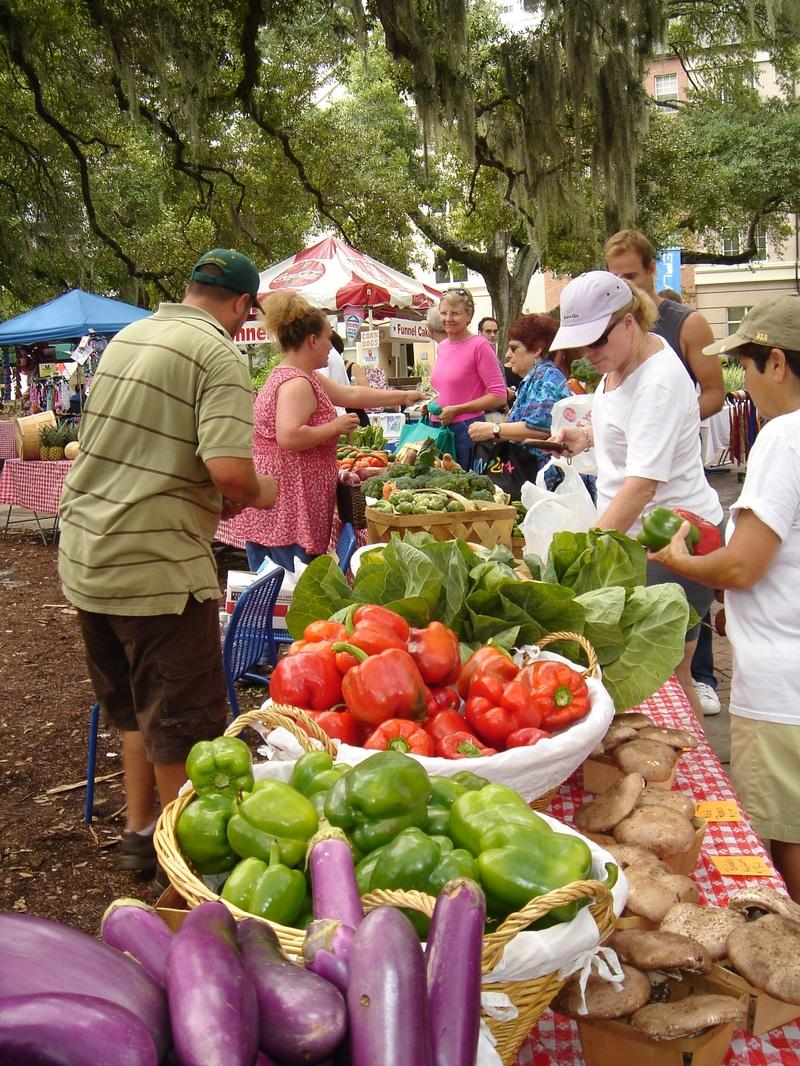 middlemen or brokers are not allowed. Regulations govern what may be sold at the farmer's market. Generally, all items must be grown, raised, foraged, caught, or otherwise produced by the seller.
Agents may visit growers to make sure that what they sell at market is grown in their fields and ensure product integrity. A farmers' market committee composed of market growers and consumers may exist to assist in rule enforcement and policy formulation. Markets are held in parks, playgrounds, parking lots, sidewalks, closed streets and other available open spaces. Farmers may pay a fee to sell at the market.
Note: Some "farmers' markets" have vendors that sell produce they bought from wholesalers and then resell to consumers. If the food is generally not grown in your area (see our growing season table for fruit and vegetables in Illinois and know your products), then it is most likely being resold. If this is important to you, it is recommended that you ask questions: Learn where the farm is located, when they plant, what their specialty products are, and ask about visiting the farm.
What is Agritourism?
Agritourism is the act of visiting a working farm or any agricultural, horticultural or agri-business operation for the purpose of enjoyment, education or active involvement in the activities of the farm or operation. Agritourism, as it is defined most broadly, involves any agriculturally-based operation or activity that brings visitors to a farm or ranch.
Agritourism is a form of niche tourism that is considered a growth industry in many parts of the world, including the United States. Agritourism is widespread in America. Agritourists can choose from a wide range of activities that include picking fruits and vegetables, riding horses, picking pumpkinds, cutting down Christmas trees, tasting honey, learning about wine and cheesemaking, or shopping in farm gift shops and farm stands for local and regional produce or hand-crafted gifts.
Farm Stands, CSA's, Farms and Pick-Ur-Own
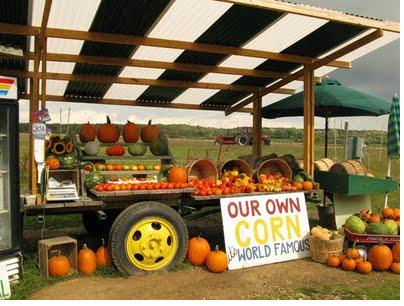
If your schedule doesn't allow you to visit the local farmers' market, consider stopping by a local farm stand. Farm Stands sell fresh seasonal produce (call for hours of operation.) Several Will County Farms have "Pick-ur-own" which means you go to the farm and pick fruit or vegetables that are in season. This is a great way to enjoy some time with the family while making healthy food selections. Never thought so much fun could taste so good.
|
City
|
Name
|
Address
|
Contact Name
|
Phone Number
|
|
Beecher
|
Jerry's Farm Stand
|
1950 E. Indiana Ave.
|
Shirley Vos
|
708-946-2712
|
|
Bourbonnais
|
Rietveld's Farm Stand
|
4067 E. 4000 N. Rd.
|
Rhonda Rietveld
|
815-932-6208
|
|
Channahon
|
Dollinger Family Farm
|
7502 E Hansel Rd.
|
Mrs. Noreen Dollinger
|
815-467-6766
|
|
Crest Hill
|
Siegel's Cottonwood Farms, Inc
|
17250 S. Weber Rd.
|
Sue Siegel, Paul Siegel
|
815-741-2693
|
|
Elwood
|
Lange's Farm
|
24819 S. Bush Rd.
|
Harold Lange
|
|
|
Joliet
|
Glasscock Farms
|
198 W. Laraway Rd
|
Scott Glasscock
|
815-723-3792
|
|
Herscher
|
Dickman's
|
6480 S 14000W Rd.
|
JoAnn Dickman
|
815-426-2154
|
|
Homer Glen
|
Garden Patch Farms & Orchard
|
14154 W. 159th St.
|
Earl Hiller, Merna Hiller
|
708-301-7720
|
|
Lynwood
|
Bultema's Farmstand & Greenhouse
|
2785 E. Lincoln Highway
|
|
708-758-1565
|
|
Manhattan
|
Earth & Skye Farm
|
Route 52 & Cedar Road
|
Patti McPhillips
|
708-945-9993
|
|
Minooka
|
Drover's Trail Natural Farms
|
3755 Caton Farm Road
|
Koren&David Finnestad
|
815-409-1814
|
|
Monee
|
Gorman Farm Fresh Produce
|
6607 West Bruns Road
|
Molly and Kevin Gorman
|
708-534-2375
|
|
Naperville
|
Mayneland Farm
|
27W265 Bauer Rd.
|
Jeremy Mayne
|
630-357-1877
|
|
Ottawa
|
Our Holiday Farm
|
3206 E 19th Road
|
David Nusbaumer
|
815-434-6388
|
|
Ottowa
|
Hideaway Tree Farm
|
1159 Road (Co. Hwy 6 to 1150th Rd)
|
|
815-257-6624
|
|
Ottowa
|
Cedar Valley Sustainable Farm
|
1985 N 3609th Road
|
Jody Osmund
|
815-431-9544
|
|
Plainfield
|
Bronkberry Farms
|
18061 Bronk Road, south of Caton farm
|
Jennifer Bronk, Kevin Veen
|
815-436-6967
|
|
Plainfield
|
Keller's Farmstand
|
15066 S. Wallin Drive
|
Frank Keller
|
815-439-0420
|
|
Naperville
|
Keller's Farmstand
|
516 Knoch Knolls Road
|
Frank Keller
|
630-369-5319
|
|
Oswego
|
Keller's Farmstand
|
2500 Johnson Road
|
Frank Keller
|
630-219-8194
|
|
Naperville
|
Green Earth Institute
|
10S404 Knoch Knolls Road
|
Steve Tiwald
|
630-664-5681
|
|
Sandwich
|
Montalbano Farms
|
17551 Frazier Road
|
Frank Montalbano
|
815-431-9544
|
|
Wilmington
|
Jim Gorman's Vegetables
|
30643 S. IL Rt. 53
|
Jim Gorman
|
815-476-7514
|
|
Wilmington
|
Tammen Treeberry Farm
|
37131 Essex Rd.
|
Bruce Tammen
|
(815) 458-6264
|
Red Indicates-Tree Farm and Cut your Own
What does 100% Certified Organic really mean?
Over the last several years we have seen the term "organic" everywhere from the chain grocery stores, local farmers' markets, to even bags of snack foods, and its meaning has become vague,so here is our attempt to provide clarity to the term to help you better navigate the oceans of "organic".
The term "organic" agriculture refers to a species cultivated devoid of any synthetic aid, whether that be in the form of genetic modification or applied synthetic fertilizers and pesticides.It is defined that organic is the use of "farming practices that may be agroecological, sustainable, or ecological; utilizing natural (non-synthetic) nutrient-cycling processes; exclude or rarely use synthetic pesticides; and sustain or regenerate soil quality" (Badgley, 2006).
Basic Organic Farming
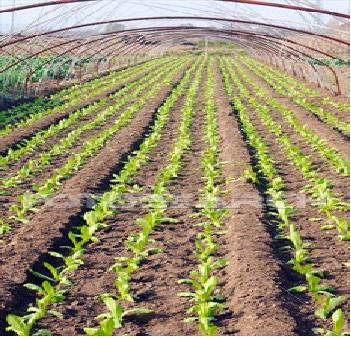 Organic farmers manage their crops using proactive practices to prevent problems. They strive to:
• Replenish and maintain soil fertility.
• Eliminate the use of toxic and persistent chemical pesticides and fertilizers.
• Restore, maintain, and enhance ecological harmony.
• Build and support biologically diverse agriculture.
To be certified as organic, all organic farmers must keep records verifying their practices and products used.
Several growers farm according to "organic principals". They follow the tenants of "organic farming" however do not comply fully with the NOSB and therefore cannot be certified "100% organic".
Principals of Organic Farming
The four principles of organic agriculture are as follows:
• The Principle of Health - Organic agriculture should sustain and enhance the health of soil, plant, animal and human as one and indivisible.
• The Principle of Ecology - Organic agriculture should be based on living ecological systems and cycles, work with them, emulate them and help sustain them.
• The Principle of Fairness - Organic agriculture should build on relationships that ensure fairness with regard to the common environment and life opportunities.
• The Principle of Care - Organic agriculture should be managed in a precautionary and responsible manner to protect the health and well being of current and future generations and the environment.
Again, know your farmer, and if you only want to purchase "100% certified organic" produce and meats ask for proof of certification. Ask why a farmer uses "organic principals" yet does not have a certification. You may find that their products fit your criteria for organic, and you may have another source for your farm fresh food.
Organic Farms of Will County
|
City
|
Name
|
Address
|
Contact Name
|
Phone Number
|
|
Aurora
|
Dropseed Farm
|
1945 Swarthmore Dr.
|
Dave Roesner
|
630-567-4940
|
|
Crest Hill
|
Rock Run Farm
|
Caton Farm Rd.-Products can be purchased at Seigel's Cotton Wood Farms
|
Devon Dempsey
|
815-325-3479
|
|
Manhattan
|
Earth & Skye Farm
|
Rt. 52 and Cedar Rd.
|
Patti McPhillips
|
708-945-9993
|
|
Naperville
|
Green Earth Institute
|
10S404 Knoch Knolls Rd.
|
Steve Tiwald
|
630-664-5681
|
|
Peotone
|
Taylor Ridge Farm
|
5415 W. Beecher Rd.
|
|
708-258-6539
|
Community Supported Agriculture of Will County
See Farm Stand, CSA's, Farms and Pick ur Own for listings: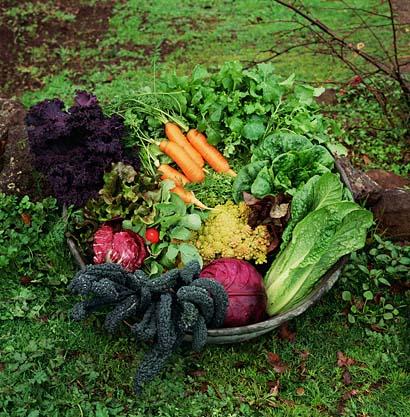
Community supported agriculture (CSA) is a new idea in farming one that has been gaining momentum since its introduction to the United States from Europe in the mid-1980s.
CSA, sometimes known as "subscription farming," consists of a community of individuals who pledge support to a farm operation so that the farmland becomes, the community's farm, with the growers and consumers providing mutual support and sharing the risks and benefits of food production.
Typically, members or "shareholders" pledge in advance to cover the anticipated costs of the farm operation and farmer's salary. In return, they receive shares in the farm's bounty throughout the growing season, as well as satisfaction gained from reconnecting to the land and participating directly in food production.
Most CSAs offer a diversity of vegetables, fruits, and herbs in season; some provide a full array of farm produce, including shares in eggs, meat, milk, baked goods, and even firewood.
Note to the consumer: Be aware that there are risks involved in CSA participation as are involved in farming. If there is a circumstance that affects crop production, those circumstances affect your shares. ALSO, research your potential farm. Ask for references from other members, and also see if that farmer participates in any farmers' markets. Better yet plan a visit to the farm and purchase some of the products when you visit, just like the farmers you purcahse from at markets, "know your farmer".
Will County Food Cooperatives

A food co-op is a collectively owned grocery store. Most frequently, a food co-op focuses on making natural foods more affordable for co-op members, although other products may be carried as well. There are a number of different styles of food co-op, but all of them share common values of group management and decision making, social responsibility, and equality. Towns of all sizes have food co-ops ranging from very small to quite large, and it is usually easy to find a food co-op near you.
In a private food co-op, only members may shop at the store. In order to become a member, someone pays a small initiation fee and usually invests a set amount of money in the food co-op to purchase a share. Some food co-ops allow members to purchase multiple shares, or require an annual fee, which causes long term members of the food co-op to own more shares. In some cases, members also join work crews, contributing a few hours of work to the running of the co-op. The frequencyand duration of work shifts varies from co-op to co-op.
Food Cooperatives of Will County
|
City
|
Name
|
Address
|
Phone Number
|
|
Crest Hill
|
Olive Living
|
1612 Root Street
|
312-339-6337
|
|
Park Forest
|
South Suburban Food Co-op
|
208 Forest Blvd
|
708-747-2256
|
What is a community garden?
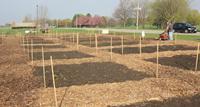
A community garden is a single piece of land gardened collectively by a group of people.
A city’s community gardens can be as diverse as its gardeners. Some grow only flowers, others are nurtured communally and their bounty shared. Community gardens improve users’ health through increased fresh vegetable consumption and providing a venue for exercise.
Community gardens are managed and maintained with the active participation of the gardeners themselves, rather than tended only by a professional staff. Community gardens often encourage food production by providing gardeners a place to grow vegetables and other crops. Some gardens are grown collectively, with everyone working together; others are split into clearly divided plots, each managed by a different gardener (or group or family). Many community gardens have both "common areas" with shared upkeep and individual/family plots.
Benefits of Community Gardens:
• Improve the quality of life for people in the garden
• Provide a catalyst for neighborhood and community development
• Stimulate Social Interaction
• Encourage Self-Reliance
• Beautify Neighborhoods
• Produce Nutritious Food
• Reduce Family Food Budgets
• Conserve Resources
• Create opportunity for recreation, exercise, therapy, and education
• Reduce Crime
• Preserve Green Space
• Create income opportunities and economic development
• Reduce city heat from streets and parking lots
• Provide opportunities for intergenerational and cross-cultural connections
Source:American Community Garden Association
Another benefit of Community Gardens is education: The Detroit Public School District is establishing 45 DPS community gardens with the intention of educating the students on gardening techniques. This education will not only to teach them how to grow food for their own use, but will perhaps inspire a student to pursue farming as a career choice.
We WILL Grow School and Community Garden Program
Kathy Pecora Program Manager: Contact @ 815-774-7906 or kpecora@willcountygreen.com
City
|
School or Community Garden
|
Name
|
Address
|
|
Homer Glen
|
School-Educational
|
William E. Young School
|
16240 S. Cedar Road
|
|
Joliet
|
Community-Educational
|
Evergreen Terrace Resident and Children's Garden
|
350 N Broadway Street
|
|
Joliet
|
Community-Educational
|
Warren-Sharpe Community Center's Healthy Children Healthy Kids, Healthy Families Community Garden
|
454 South Joliet Street
|
|
Joliet
|
Community
|
Joliet Park District Organic Community Garden- We WILL Grow Vet's Garden
|
McDonough Street-across from Inwood Golf Course
|
|
New Lenox
|
Community-Therapy
|
Trinity Services Therapy Garden
|
|
|
Park Forest
|
Community-Therapy
|
Cornerstone Services Elizabeth Ludeman Facility
|
114 N Orchard Drive
|
|
Plainfield
|
Community-Therapy/Recreation
|
Harbor Chase of Plainfield Senior Living
|
12446 Van Dyke Road
|
Growing Season in Illinois
Days Between Last Spring and First Fall Frost (Occurrence of 32°F)
Jim Angel, state climatologist
The average length of the growing season varies from about 190 days in far southern Illinois to 160 days in far northern Illinois. Of course, the actual length can vary from year to year.
Will County Growing Zone and Season
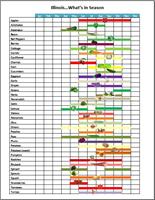
According to the National Gardening Association's Hardiness Zone Finder, most of Will County is located in growing zone 5A.http://www.thevegetablegarden.info/resources/planting-schedules/zones-5-6-planting-schedule
Read more: When to Plant Vegetables in Illinois | eHow.com http://www.ehow.com/facts_7514289_plant-vegetables-illinois.html#ixzz1tkPskzks
Apples, July through October
Arugula, May through September
Asparagus, April through June
Basil, July through September
Beets, May through October
Blackberrries, July into August
Blueberries, July into August
Broccoli, June through October
Brussel sprouts, August through November
Cabbage, June through November (local harvest available from storage through March)
Cantaloupes, August and September
Carrots, May through November (local harvest available from storage through winter)
Cauliflower, August through November
Celeriac/celery root, August through October
Celery, August through October
Chard, May through September
Cherries, June and July
Cilantro, June through September
Corn, mid-June through mid-August
Cucumbers, July through mid-October
Eggplant, July through mid-October
Fava beans, May
Fennel, Late spring-early summer
Garlic, August through November
Garlic scapes/green garlic, May and June
Grapes, August and September
Green beans, July through September
Green Onions, June through September
Greens (various), May through November
Herbs, various, May through October
Kale, June through November
Leeks, August through October
Lettuce (various), May through October
Melons, July through September
Morels, spring
Mushrooms (cultivated), year-round
Mushrooms (wild), spring through fall, varies tremendously each year
Onions, August through October (local harvest available from storage year-round)
Parsley, May through September
Parsnips, April and May and again in October through November (local harvest available from storage through winter)
Peaches, July and August
Pears, August through October
Peas and pea pods, June through August
Peppers (sweet), June through September
Persimmons, October
Plums & pluots, July and August
Potatoes, July through November (local harvest available from storage year-round)
Pumpkins, September through October
Radishes, May through October
Raspberries, June into August
Rhubarb, April through June
Shelling Beans, September through October (local harvest available dried year-round)
Scallions, June through September
Spinach, May through October
Squash (summer), July through October
Squash (winter), August through November (local harvest available from storage into spring)
Strawberries, June and July
Tomatoes, July through October
Turnips, August through November (local harvest available from storage through February)
Watermelons, August through September
Zucchini, July through October